
The air filter is a crucial component in a motorcycle’s combustion system. Its function is to filter air from impurities such as dust, sand, insects, and other particles before it enters the combustion chamber. Given this crucial role, understanding the proper way to install air filter is essential for every vehicle owner, especially those who regularly use their motorcycle daily or undertake long journeys.
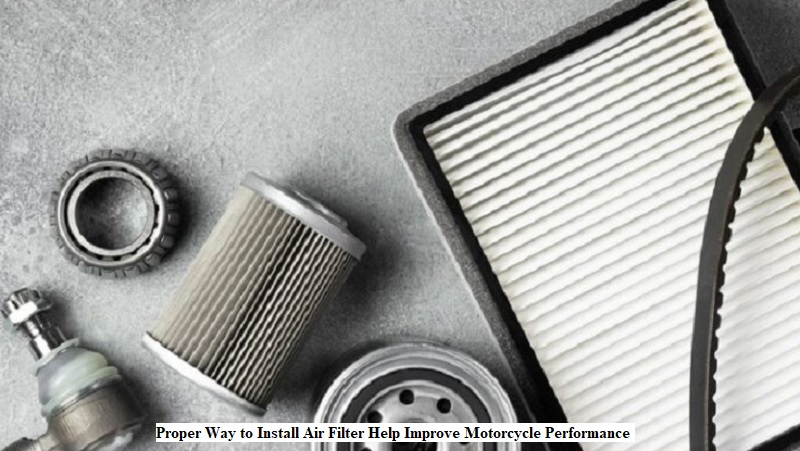
Reasons Why It’s Important to Know the Proper Way to Install Air Filter
Many risks can occur if the air filter is not installed properly. One of the most common is the entry of dirty air into the combustion chamber. This will cause carbon deposits to build up on the pistons, cylinder walls, and valves.
In the long term, this can cause rapid engine wear, heavy pulling, and fuel consumption. In fact, on modern fuel-injected motorcycles, improperly installed air filters can cause sensors to read incorrect data, resulting in stuttering or even sudden stalling.
Incorrect installation also causes air leaks, where air enters without being filtered first. This negates the filtering function. Furthermore, if the air filter is left dirty and not replaced on time, the engine will work harder to draw in air. This can affect combustion efficiency and shorten engine life.
Guide to Proper Air Filter Installation
Given the various risks mentioned above, installing and maintaining an air filter properly is essential for maintaining your motorcycle’s performance. Here are some steps to ensure optimal function.
1. Check Carburetor Diameter
The first step is to check the diameter of the carburetor on your motorcycle. This is crucial to ensure the filter is installed properly and is neither too loose nor too tight. Once you know the size, insert the air filter into the air intake. It is generally connected directly to the carburetor. Ensure the installation is straight and not tilted to ensure optimal airflow.
2. Tighten with a Metal Clamp
Next, secure the filter using a metal clamp or metal fastener to prevent it from coming loose, especially when the motorcycle is moving or vibrating. The clamp should be tightened firmly, but not too hard, as it can damage the filter mount.
If using an aftermarket air filter, such as an open filter, you will usually need to remove the factory box. It should be noted that this type of filter is more suitable for performance needs, but it also requires more regular maintenance to prevent decreased engine efficiency.
Air Filter Maintenance
In terms of maintenance, the frequency of cleaning an air filter depends on its type. Factory-made paper filters cannot be washed. They generally need to be replaced every 8,000 to 12,000 kilometers, depending on the intensity of use.
Foam filters, on the other hand, can be washed and reused. Foam filters should be cleaned every 3,000 to 5,000 kilometers, depending on road and weather conditions. Racing or open filters, on the other hand, require more frequent cleaning—ideally every 1,000 to 3,000 kilometers—because their open design makes them more prone to trapping dirt.
To clean a foam filter, simply wash it with warm soapy water, rinse thoroughly, dry it, and then coat it with a special filter oil before reinstalling it. For racing filters, use a special filter cleaning fluid and spray it gently, then let it dry. Avoid spraying with high air pressure, as this can damage the filter structure.
Based on the Short video by @UtopianDays, the estimated time required to clean and reinstall an air filter is generally around 20 to 30 minutes. This can vary depending on the type of motorcycle and the difficulty of removing the bodywork. For sports bikes or motorcycles with fairings, the installation time can be longer due to the more complex dismantling and installation process.
Therefore, understanding the proper way to install air filter is not just a matter of minor maintenance. It is also a crucial step in maintaining engine durability and fuel efficiency. Improper installation can cause serious damage in the long term. Conversely, a clean and properly installed filter will help the engine run more smoothly, improve performance, and even prevent the risk of stalling on the road.


